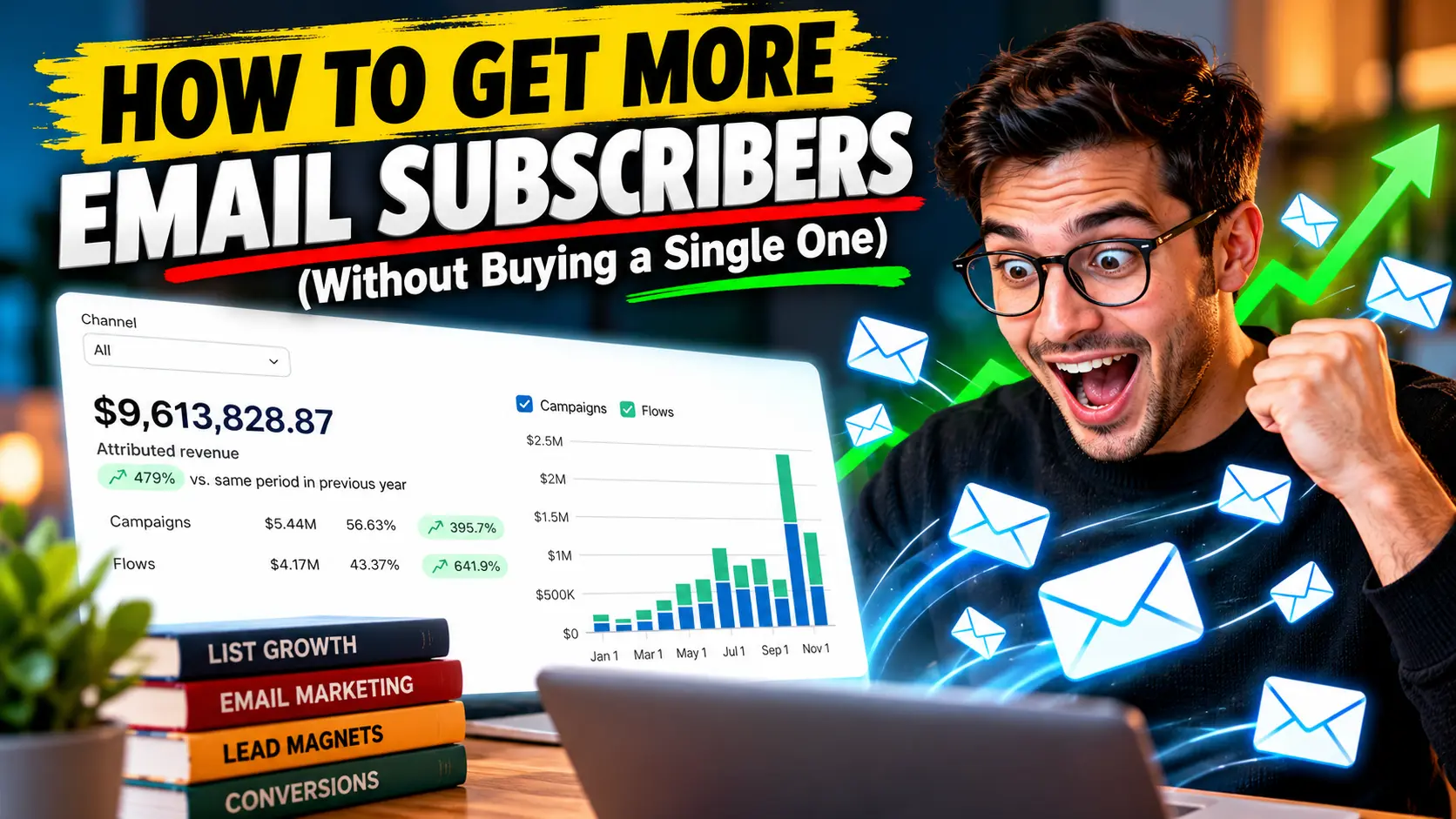
Most people searching for how to get more email subscribers already know the obvious stuff — “add a signup form,” “offer a freebie.” They’ve tried it. The list still isn’t moving. The problem usually isn’t effort. It’s that most signup forms ask for an email before giving anyone a real reason to hand one over. Fix that order, and the growth usually follows.
Here’s what actually works, pulled from tactics that move the needle instead of ones that just look good in a blog post.
Make Your Lead Magnet Specific, Not Generic
"Subscribe for updates" convinces no one. A lead magnet that solves one narrow, specific problem — a checklist, a template, a 5-minute mini-course — converts far better than a vague newsletter promise. The tighter the promise, the easier the yes.
If your current opt-in offer is a general "weekly newsletter," split it into something concrete instead. "Get my exact email subject line swipe file" beats "join my newsletter" every time, because the reader knows precisely what they're getting before they type a single letter.
Use a Two-Step Opt-In
This one surprises people. Instead of showing a form upfront, show a button first ("Get the free checklist") and only reveal the email field after they click. It sounds like an unnecessary extra step, but it isn't — getting someone to click a button is a smaller commitment than filling out a form, and once they've clicked, they've already told themselves "yes, I want this," which makes the actual form far more likely to get filled in.
Put the Opt-In Where Attention Already Is
Most blogs bury their best opt-in offer in a sidebar nobody scrolls to. The better move: place a content upgrade — something directly tied to the specific post someone's reading — right in the middle of the article, where attention is already locked in. A generic "subscribe" box in a sidebar gets ignored. A relevant offer dropped into a high-engagement paragraph gets clicked.
Use Exit-Intent Popups (But Make Them Earn It)
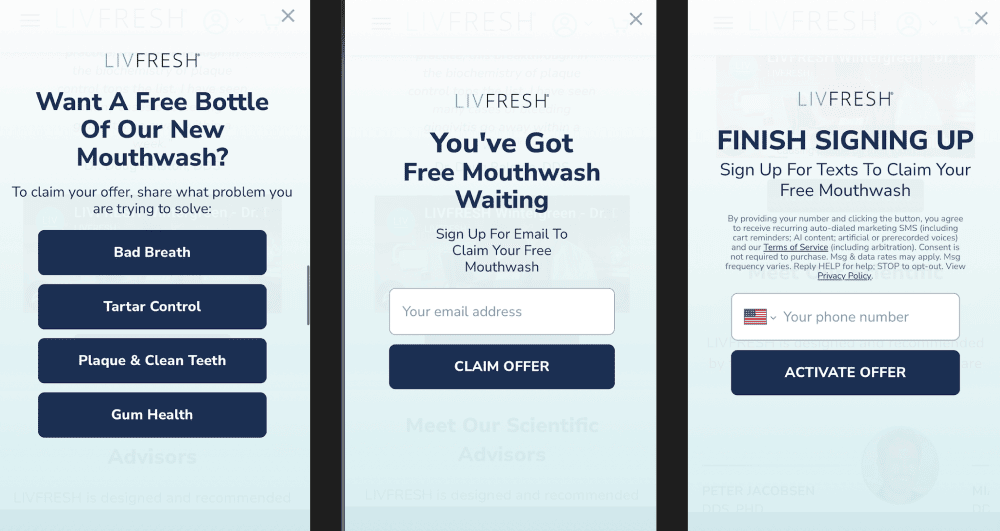
Exit-intent popups get a bad reputation because most of them are lazy — the same generic offer on every single page, for every single visitor. Done right, the offer should match the content the visitor was reading. Someone about to leave a post about email marketing should see an opt-in about email marketing, not a random unrelated freebie. Relevance is what separates an annoying popup from one that actually converts.
Build a Dedicated Landing Page for Your Best Offer
A sidebar form competes with your entire site for attention. A dedicated landing page doesn't — it's built around one single decision: subscribe or don't. If you're running any paid traffic, guest post links, or social media bios, send that traffic to a clean, focused landing page instead of your homepage. The conversion difference is significant, because a homepage gives visitors seventeen things to click; a landing page gives them one.
Repurpose Your Best-Performing Content as Bait
Look at whichever piece of content already gets the most traffic or shares. That's not an accident — it's already proven what your audience wants. Turn that exact topic into a deeper, more detailed lead magnet. If a blog post about email subject lines is already your top performer, a downloadable swipe file of 50 subject lines is the natural next step, and it converts because you already know people care about that exact topic.
Add a Referral Incentive for Existing Subscribers
New subscriber growth doesn't have to come only from new visitors. Your current list is an underused growth channel. A simple referral setup — "share this with a friend, unlock bonus content" — turns existing subscribers into a distribution channel, and referred subscribers tend to be more engaged from day one, since they're arriving through a personal recommendation instead of a cold ad.
Guest Post With a Specific Content Upgrade
Generic author bios linking to a homepage get almost no clicks. Guest posts that link to a specific, topic-matched lead magnet convert dramatically better, because the reader is already deep into a related topic and the offer feels like a natural next step rather than a detour.
Pick the Right Email Platform for Where You Are
This one gets overlooked, but your email tool itself affects growth. A platform built for creators — something like ConvertKit — handles tagging and automated sequences in a way that makes testing different opt-in offers much easier. If you're running a store alongside content, a platform like GetResponse or AWeber that bundles in landing pages can save you from juggling a separate tool just to test new signup pages. The tool doesn't grow your list by itself, but the wrong one makes every tactic above harder to execute.
Optimize for the Question People Are Actually Asking
If you're writing content specifically to answer how to get more email subscribers, make sure the content itself practices what it teaches — every list-building article should have its own well-placed, specific opt-in offer embedded in it. It's one of the few topics where showing, not just telling, directly increases your own conversion rate.
Test One Variable at a Time
Most people change five things on their opt-in form at once, then have no idea which change mattered. Test one variable — headline, button color, placement, or offer — at a time. Small, isolated tests compound into meaningfully better conversion rates over a few months, even when no single test feels dramatic on its own.
The Real Shift
Growing an email list isn't about adding more forms everywhere. It's about matching a specific offer to a specific moment of attention — the right lead magnet, in the right place, at the right point in someone's visit. Every tactic above is really the same principle applied differently: specificity and relevance beat volume and noise, every time.
FAQ
How long does it take to see results from these email list growth tactics?
Most sites start noticing a measurable lift within 4-6 weeks of implementing a specific lead magnet and content-upgrade strategy — assuming existing traffic. Growth compounds faster once a few high-performing opt-ins are identified and doubled down on.
Do popups actually hurt user experience and SEO?
A poorly timed, irrelevant popup does hurt experience. A well-targeted exit-intent offer, shown only once a visitor shows intent to leave, has minimal impact on both experience and search rankings.
What's the single highest-impact change for how to get more email subscribers quickly?
Replacing a generic "subscribe to my newsletter" offer with one specific, narrow lead magnet tied to your best-performing content is usually the fastest, highest-leverage change available.